Biblical Fasting
Fasting appears throughout the Bible, but the reasons for fasting can look very different. Daniel fasts in repentance, Jehoshaphat calls for a fast in the middle of a crisis, and Jesus teaches His followers to fast after His departure. At the same time, Isaiah 58 and 1 Kings 21 show that fasting can become meaningless when it is separated from genuinely seeking God.
 Victor Uvarov
7 min read
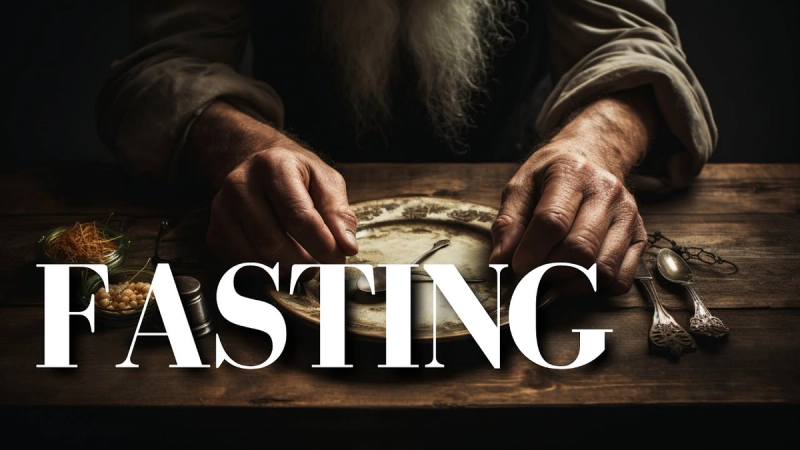
What should fasting look like?
I’ve been looking at fasting throughout the Bible, and at first some of the passages seemed difficult to reconcile. Daniel fasted and put on rough burlap and ashes. Jehoshaphat called an entire nation to fast when an army was coming against them, and Jesus said His disciples would fast after He was taken away.
But then Isaiah 58 talks about a kind of fasting that God does not seem to accept. And in 1 Kings 21, a fast is even called for as part of a plot to have an innocent man killed. So what is fasting actually supposed to be?
Why did Daniel fast and put on ashes?

Daniel 9:3 says:
“So I turned to the Lord God and pleaded with him in prayer and fasting. I also wore rough burlap and sprinkled myself with ashes.”
The sackcloth and ashes initially caught my attention because it can sound like Daniel was deliberately making himself suffer. But that’s not really what was happening. Sackcloth and ashes were expressions of mourning, humility, and repentance. Daniel wasn’t trying to punish himself so that God would forgive him. He was responding to the seriousness of Israel’s situation and turning toward God.
The rest of his prayer makes this clear. Daniel spends much of the chapter confessing Israel’s sin:
“We have sinned and done wrong and acted wickedly and rebelled…”
Daniel 9:5
Daniel wasn’t simply going without food. He was praying, confessing, mourning, and seeking God’s mercy. The physical act was an outward expression of what was happening spiritually.
Then why does Isaiah 58 criticize fasting?

This is where things get interesting. In Isaiah 58, the Israelites are fasting, but God isn’t pleased with what they’re doing. They ask:
“We have fasted before you! Why aren’t you impressed?”
Isaiah 58:3
God’s response is that their fasting is not accompanied by the kind of life He wants from them. They are fasting while continuing to exploit people, quarrel, and act unjustly.
Then God says:
“No, this is the kind of fasting I want…”
Isaiah 58:6
He describes releasing people from oppression, feeding the hungry, sheltering the homeless, and caring for those in need.
At first, this could make it sound like God is saying that fasting from food isn’t what He actually wants. But I don’t think that’s what Isaiah is saying. The problem isn’t that they are fasting. They are fasting outwardly, but they aren’t seeking God in the way they live.
They are performing a religious practice while continuing to live in ways that God condemns. Isaiah isn’t replacing fasting with righteousness. He’s showing that fasting without righteousness is empty.
Fasting can even become a cover for evil

The story of Naboth in 1 Kings 21 gives an extreme example of this. Ahab wants Naboth’s vineyard, but Naboth refuses to give it to him because it is part of his family’s inheritance. Jezebel then arranges for a fast to be proclaimed:
“Call the citizens together for a fast…”
1 Kings 21:9
That sounds religious. But the purpose of the fast is to create the appearance of a serious religious crisis so that Naboth can be falsely accused and killed. The result is that Ahab gets the vineyard.
This is almost a picture of everything Isaiah 58 was warning about. The religious activity is there, but underneath it are greed, deception, and injustice. It shows that even something as biblical as fasting can be corrupted. The fact that someone is fasting doesn’t automatically mean what they are doing is pleasing to God.
Jesus also warns about the wrong kind of fasting

Jesus addresses another problem in Matthew 6:
“And when you fast, don’t make it obvious, as the hypocrites do…”
Matthew 6:16
What’s interesting is that Jesus doesn’t say if you fast. He says when you fast. So He clearly expects fasting to continue among His followers, but He warns them not to turn it into a performance.
The problem is that some people wanted others to see that they were fasting. Jesus tells His followers to do the opposite: take care of yourself normally so that other people don’t know you’re fasting.
The point isn’t that every fast has to be secret. God should be the reason for the fast, not the audience watching you.
So why did Jesus say His disciples would fast?

This brings us back to Mark 2. Some people asked Jesus why His disciples weren’t fasting. Jesus answered by comparing Himself to a bridegroom:
“Can the wedding guests fast while celebrating with the groom?”
Mark 2:19
Then He says:
“But someday the groom will be taken away from them, and then they will fast.”
Mark 2:20
Jesus is presenting His presence with the disciples as a time of celebration. The bridegroom is with them, but the bridegroom will be taken away. Jesus would die, rise again, and eventually ascend to heaven.
So Jesus wasn’t saying that fasting was no longer necessary. He was saying that there would be a different time for it. And that’s exactly what we see afterward. The early Christians fasted and prayed when seeking God’s direction and making important decisions.
Jesus’ teaching therefore seems to fit with the other passages rather than contradict them. Fasting still has a place, but the question is what kind of fasting we are practicing and why.
What about fasting when something goes terribly wrong?

2 Chronicles 20 gives another example. Jehoshaphat learns that a massive army is coming against Judah. He is afraid, so he turns to God and calls the people to fast:
“Jehoshaphat was terrified by this news and begged the LORD for guidance. He also ordered everyone in Judah to begin fasting.”
2 Chronicles 20:3
This wasn’t fasting because they had committed some particular sin that needed to be confessed. They were in a crisis. They didn’t know what to do.
Jehoshaphat eventually says:
“We do not know what to do, but we are looking to you for help.”
2 Chronicles 20:12
That may be one of the clearest descriptions of the posture behind fasting. They were acknowledging that they couldn’t solve the problem themselves. They needed God.
The fast wasn’t a way of forcing God to give them what they wanted. It was an expression of dependence. They were turning to God because they didn’t know what else to do.
So what is fasting actually for?

Looking at these passages together, the circumstances are different, but the purpose is the same: seeking God.
Daniel fasted while seeking God in repentance and asking for mercy. Jehoshaphat fasted when Judah was facing a crisis and they needed God’s help. Jesus taught His followers to fast after His departure, as they continued to seek God without His physical presence.
Isaiah showed that fasting cannot simply be an outward religious act. If someone is fasting while pursuing their own interests and treating others unjustly, they aren’t truly seeking God. And 1 Kings 21 shows the opposite: people can use fasting as a religious appearance while actually pursuing their own desires.
The circumstances for fasting may be different, but the purpose is to seek God.
That’s why the food itself isn’t really the destination. The hunger is a means of turning our attention toward God.
What should fasting look like?

I don’t think the Bible gives us one formula that every fast has to follow. Sometimes fasting is connected with repentance, sometimes with a crisis, sometimes with seeking God’s direction, and sometimes with mourning. Jesus also makes clear that fasting can simply be part of a believer’s relationship with God.
But throughout these examples, the same thing keeps appearing: the outward act isn’t enough by itself. Fasting can become meaningless if I’m doing it to impress people, and it can become hypocrisy if I’m fasting while deliberately living contrary to God. It can even become a religious disguise for evil, as it did in 1 Kings 21.
But fasting can also be a very simple way of saying:
“God, I need You. I don’t know what to do, and I’m looking to You.”
That’s what I see when I put these passages together. The Bible doesn’t seem to be asking us to choose between fasting from food and living out the kind of life described in Isaiah 58. It asks for both: seek God through fasting, and let seeking God change the way you live.